
Wood Lip Liner Artwork: Define the Print Area
For a wood lip liner artwork RFQ, ask the supplier to mark the printable barrel area on the proposed item, identify its orientation from a named end, and return the artwork revision being quoted. Approve that reference before comparing printed samples. A catalogue photograph can identify the design direction, but it cannot establish usable dimensions, permitted colours or print durability.
Begin with the barrel reference, then place the artwork
A buyer can send an attractive logo and still receive quotations for different layouts. One supplier may interpret the request as a mark near the cap, while another may place it along the centre of the barrel. Before discussing the appearance, identify the exact product reference and the parts that remain visible when the proposed cap is fitted. This gives purchasing, design and the supplier a shared starting point.
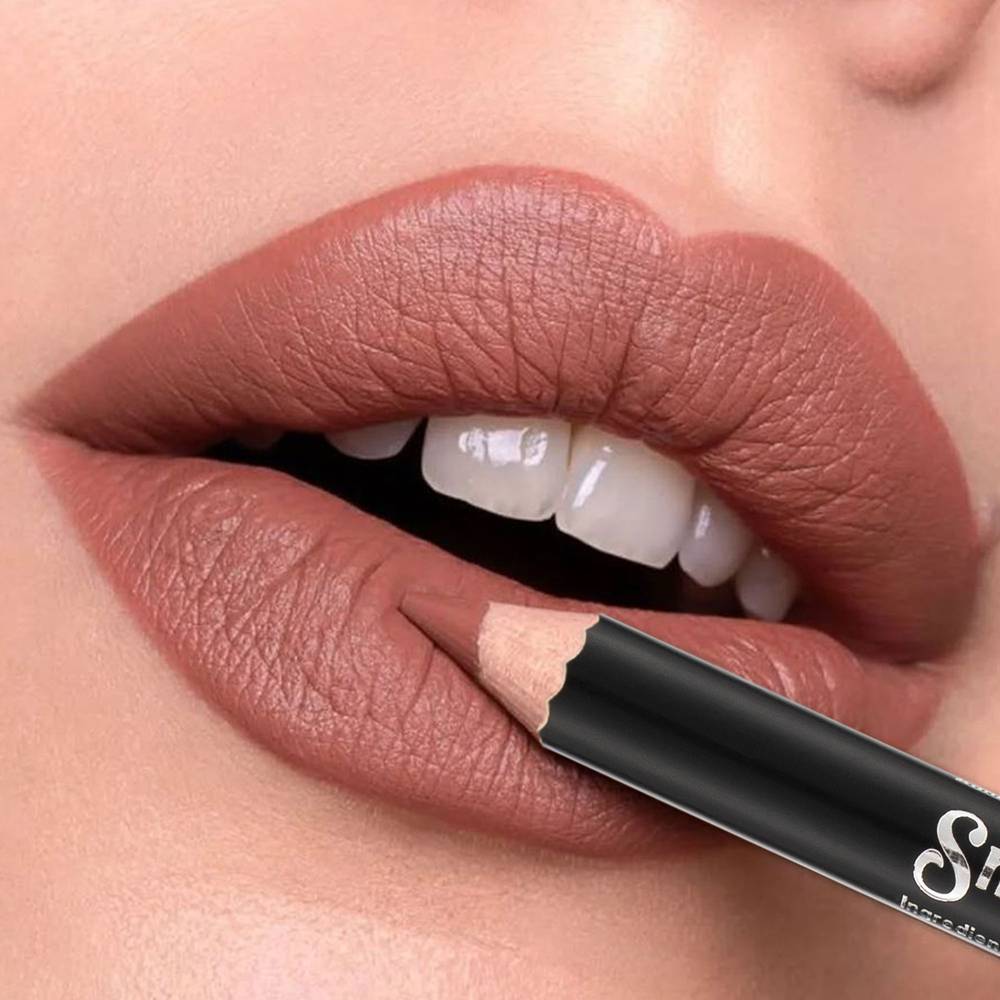
Jling’s Black Body Wood Lip Liner page provides a black-body product reference with visible printing. Its description mentions a matte barrel appearance and a two-colour screen-printing example. Treat those details as the supplier’s description of the pictured design. They do not confirm that a new logo, colour combination or position can be supplied in the same way. Request a response for the specific artwork and item you intend to buy.
Request an artwork boundary that another person can reproduce
Ask for a drawing or annotated product view showing the proposed print zone and any areas the supplier wants to leave clear. The response should identify the reference edge used for placement. A note such as ‘centre the logo’ is incomplete unless both sides know what is being centred: the full barrel, the visible section or the supplier’s permitted print zone.
If dimensions are needed, leave their values for the supplier to provide against that marked drawing. Do not measure a website picture and convert the result into a production requirement. Perspective, cropping and the angle of a pencil can change the apparent proportions. The useful buying decision is whether the supplier has accepted a reproducible boundary, rather than whether a picture looks approximately right.
Approval item | Buyer reference | Supplier confirmation | Approved revision
Product identity | Exact catalogue link and selected view | Item reference used for the quote | Recorded drawing or item revision
Printable boundary | Logo arrangement requested | Marked permitted area and exclusions | Returned annotated layout
Reading direction | Named pencil end and front view | Direction accepted for that reference | Approved orientation view
Artwork content | Editable file and matching preview | File received and exceptions identified | Exact file name and revision
Appearance approval | Physical sample reference if requested | Scope of the returned sample | Buyer approval with remaining questions
Specify direction without relying on the word upright
A cylindrical pencil can be turned over, rotated or photographed from either end. Describe reading direction from a named feature, such as the writing end or the cap end shown in the agreed view. Include an arrow on the preview and identify which side is intended to face the viewer. If a carton illustration must show the same direction, record that separately rather than expecting the pack designer to infer it.
A flat preview is useful for wording and alignment, while an annotated product view is useful for placement. Neither automatically replaces the other. Ask the supplier to connect the flat artwork to the product view using the same reference name. This is especially helpful when design files and purchasing emails are handled by different people.
Separate the layout decision from the appearance decision
Approve the location, wording and reading direction explicitly. Then record how colour and finish will be reviewed for the proposed version. A colour displayed on a monitor is a communication reference; it does not independently establish the appearance on the actual barrel. Where appearance matters to the order, ask what physical reference the supplier can return and which details it represents.
Keep print-method and performance questions open until the supplier answers them for the exact item. The catalogue’s printing example does not establish resistance to rubbing, compatibility with every artwork or an unlimited range of colours. Purchasing can request those details without making them a condition that was never acknowledged. Any unconfirmed point should remain visible beside the approval, rather than disappearing inside a general ‘approved’ email.
• Identify the product view and the end used as the placement reference.
• Match the editable artwork to a readable preview carrying the same revision name.
• Record which layout and appearance questions remain unanswered when the quotation is returned.
Make the accepted revision travel with the order
Once the supplier returns a marked layout, compare it with the quotation and any requested sample. If a word, symbol or placement changes, give the new file a distinct revision and ask whether the quotation still refers to it. Avoid sending a replacement attachment under an identical file name: the buyer may be looking at the latest preview while the supplier is using an earlier downloaded file.
The final purchasing record should identify the product, returned layout, accepted artwork file and any unresolved exception. This lets a colleague review the same decision later without searching through a long email chain. For a reorder, provide that accepted reference and ask the supplier to confirm whether the proposed item or print area has changed. Approval of an earlier layout should not silently become approval of a different barrel version.
Frequently asked questions
Which part of a wood lip liner barrel can carry artwork?
Use the supplier’s marked layout for the proposed product. The visible barrel in a catalogue photograph is not a confirmed printable boundary. Ask the supplier to show the permitted zone and any clear areas before approving placement.
How should the artwork reading direction be described?
Name a pencil end, identify the viewing side and add an arrow to the agreed preview. Keep that reference with the artwork file so that a rotated photograph or reversed page layout cannot change the interpretation.
Does a two-colour catalogue example confirm a new two-colour design?
It identifies a design example described on the product page. A new artwork still needs confirmation for its content, position, colours and proposed item. Do not treat the example as approval of the new file.
What should a buyer send when requesting the artwork quotation?
Send the exact product link, selected view, artwork file, readable preview and the decisions that need confirmation. Ask the supplier to identify the returned layout revision and state any exceptions to the requested arrangement.
Product and contact references
Black Body Wood Lip Liner product reference: https://jlingcosmetics.com/product/black-body-wood-lip-liner/
Jling product catalogue: https://jlingcosmetics.com/products/
Jling purchasing contact: https://jlingcosmetics.com/contact/
Jling blog: https://jlingcosmetics.com/blog/