
Wholesale Lipstick: Planning a Shade Assortment
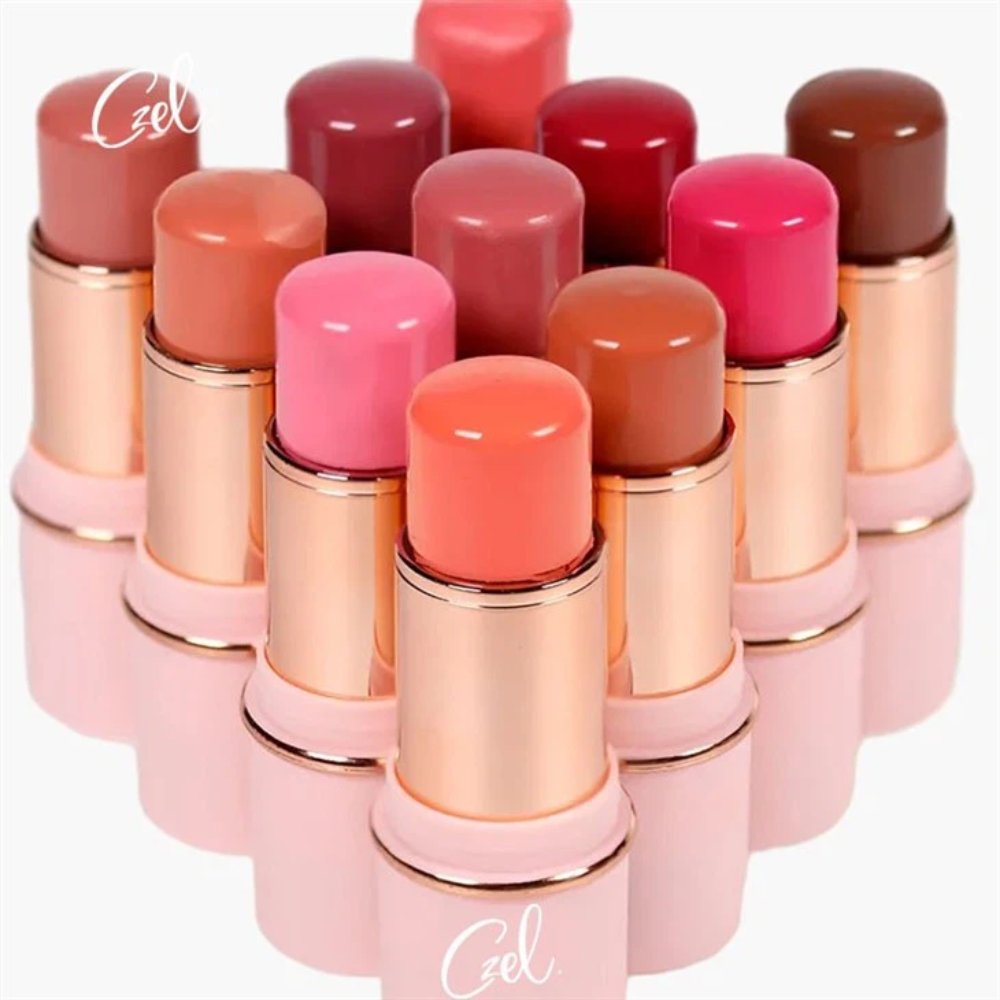
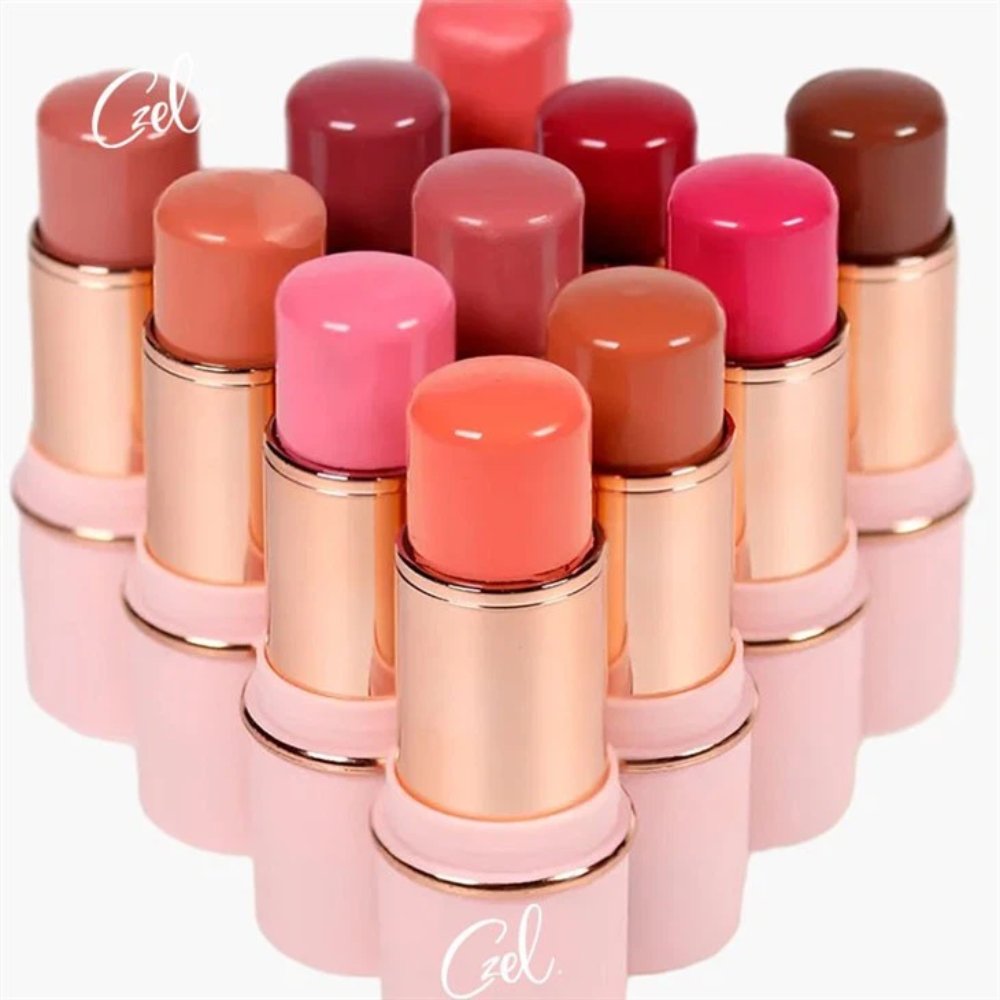
To plan a wholesale lipstick shade assortment, build one order line for every confirmed shade, connect it to a physical reference, and assign a quantity and label. Start from products you can identify in the supplier’s catalogue. Confirm availability and ordering terms before treating a photograph, sample tray, or proposed mix as an orderable range.
For a wholesaler preparing a new range or replenishing an existing one, the practical question is how each selected shade will travel from discussion to the order and receiving check. A photograph can open that conversation, but a shared reference and written allocation make the request much clearer.
1. Identify the product before naming the shade
Jiuling’s Lipstick catalogue category includes Neutral Lipstick for Fair Skin and Pearl Color Lipstick. Keep these product references separate when building your request. Their page titles identify catalogue entries; they do not establish a complete shade list, current stock, or the terms for mixing shades.
Attach the relevant product URL and a reference photograph to each proposed line. Ask the supplier to identify the corresponding product and shade code. If two photographed items look similar, keep them separate until that relationship is confirmed. The words “for Fair Skin” in a product title should not replace your own sample assessment or imply guaranteed suitability.
2. Give each shade a traceable reference
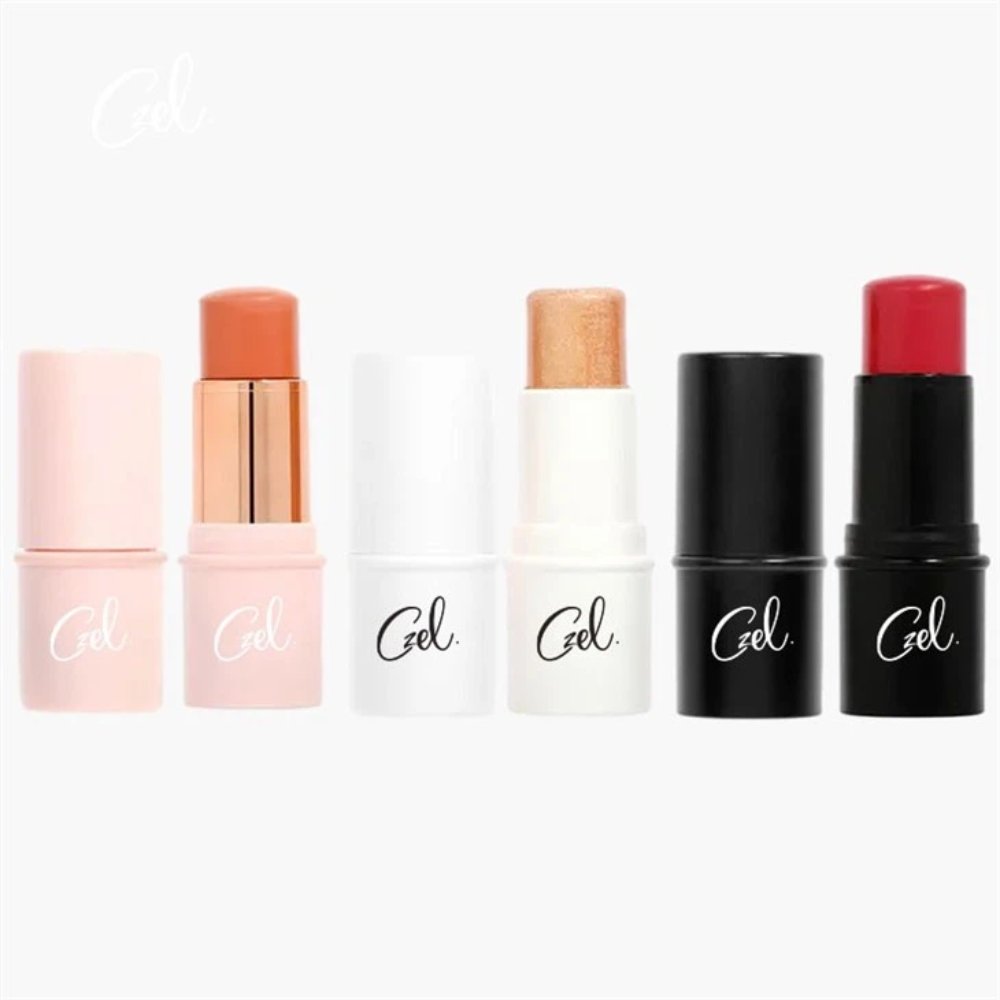
Request the current available options for the chosen product, then compare physical samples under consistent viewing conditions. Keep your observation of the colour separate from the supplier’s official identifier. A working description such as a colour family can help colleagues discuss a sample, but it should not be the sole instruction used to fulfil an order.
- Record the product page, supplier-confirmed shade identifier, and your sample reference together.
- Retain the reviewed sample and record the review date and person responsible.
- Resolve any mismatch between the sample label, quotation, and proposed order before confirming quantities.
3. Allocate quantities line by line
Use your own sales history, customer requests, or planned assortment roles to propose quantities. Without that evidence, keep the allocation provisional rather than calling a shade a bestseller. Equal quantities are easy to describe, but they are only one planning choice. Ask whether the supplier can accept your proposed mix and what conditions apply to each line.
The worksheet below is a structure to complete, not a statement of available shades or a recommended purchasing ratio. “A” and “B” are buyer-created references, not Jiuling shade codes.
| Shade reference | Quantity instruction | Label connection |
|---|---|---|
| Buyer reference A + confirmed supplier code | Enter requested units for this shade | Match retained sample, order line, and agreed package identifier |
| Buyer reference B + confirmed supplier code | Enter requested units separately | Check that a similar case does not obscure a different shade |
| Unresolved photograph or unlabelled sample | Hold allocation pending identification | Obtain a confirmed reference before adding an order line |
4. Separate case appearance from shade identity
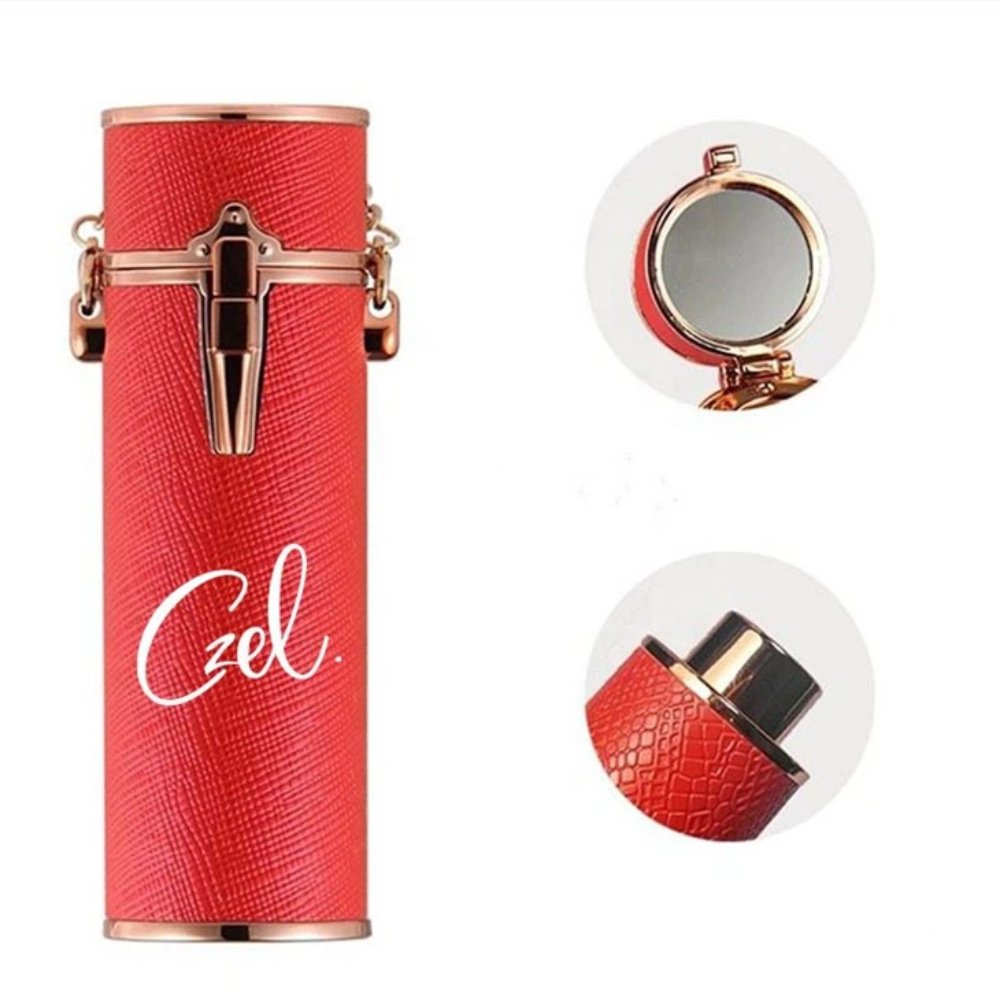
The Pearl Color Lipstick gallery shows cases with different exterior appearances. Treat those photographs as visual references, not a promise that every pictured case can be combined with every shade. Ask which specific sample, shade, and case combination the quotation covers. Keep that combination on the same order line so a packaging discussion cannot silently change the selected colour.
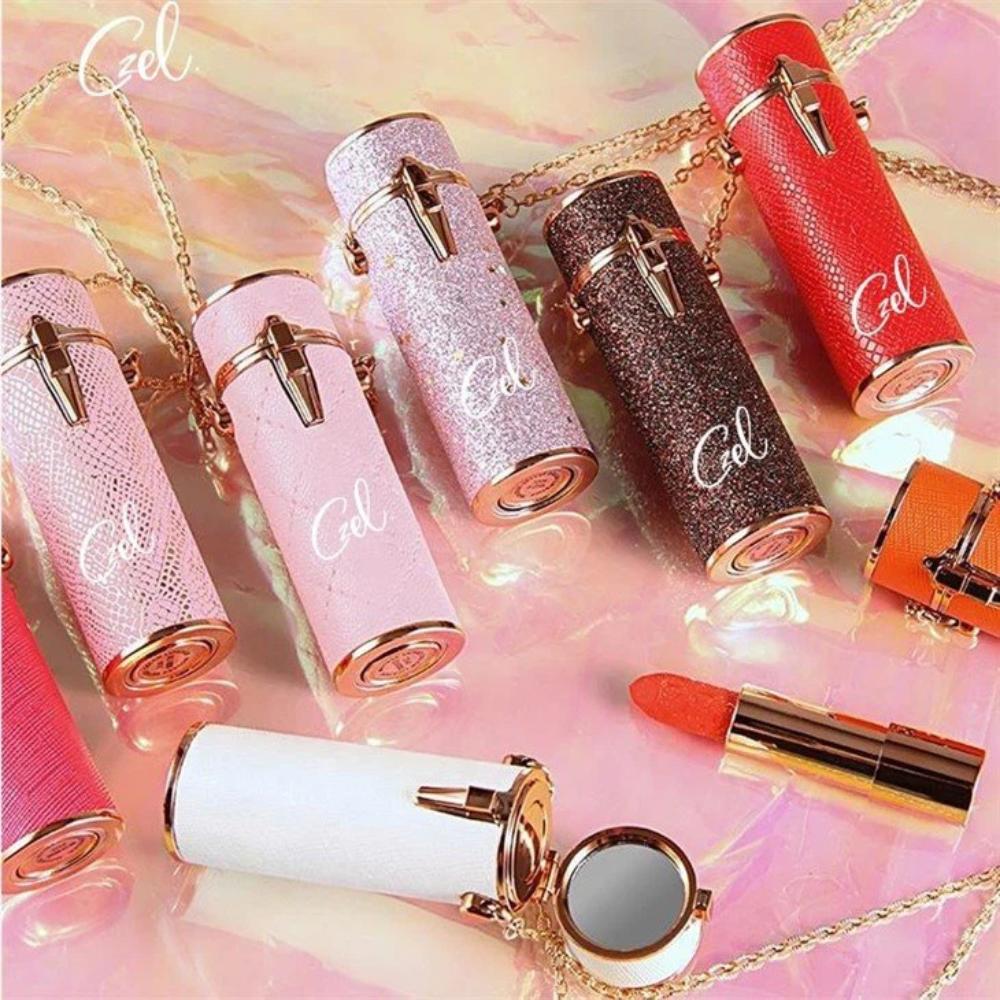
Agree how the selected shade will be identified on the product and any outer packaging used for the order. Request a label reference before approval. Your receiving team should be able to connect that identifier to the purchase order without relying on the exterior case colour. For separate pencil-format sourcing, the wooden lip liner sample checklist covers another product decision.
5. Reconcile the mix before approval
Total the units across confirmed shade lines and compare that sum with the order total. Keep sample quantities separate from saleable stock quantities. Ask the supplier to acknowledge the same revision of the allocation sheet. If an option becomes unavailable, request an updated proposal; do not leave an open instruction such as “replace with a similar colour.”
Use the agreed list again when receiving the shipment. Compare identifiers and quantities with the order, and record discrepancies against the affected line. This gives both sides a specific reference for investigating a mix-up.
6. Send an inquiry with the decisions attached
Send your product URLs, sample references, proposed units by shade, destination market, and packaging identification questions through Jiuling’s contact page. Ask for current availability, the applicable ordering conditions, pricing, and timing. Keep unanswered fields visible until confirmed, then carry the agreed references into your final order.
Frequently Asked Questions
Can I order every shade shown in a gallery?
Ask for the current orderable options and their identifiers. A gallery alone does not confirm availability or the complete range.
Should every shade receive the same quantity?
Use your own demand evidence and assortment plan to propose the mix. Confirm whether that allocation is accepted before approving the order.
Is a screen photograph enough to approve a colour?
Use it to identify what you want to discuss, then connect the decision to a reviewed physical sample and a confirmed supplier reference.
What if the sample label and quotation differ?
Pause that line and ask for written clarification. Update the sample record, allocation sheet, and order together before approval.
#Lipstick
#ShadeAssortment
#SampleApproval
#OrderPlanning
#PackagingLabels