
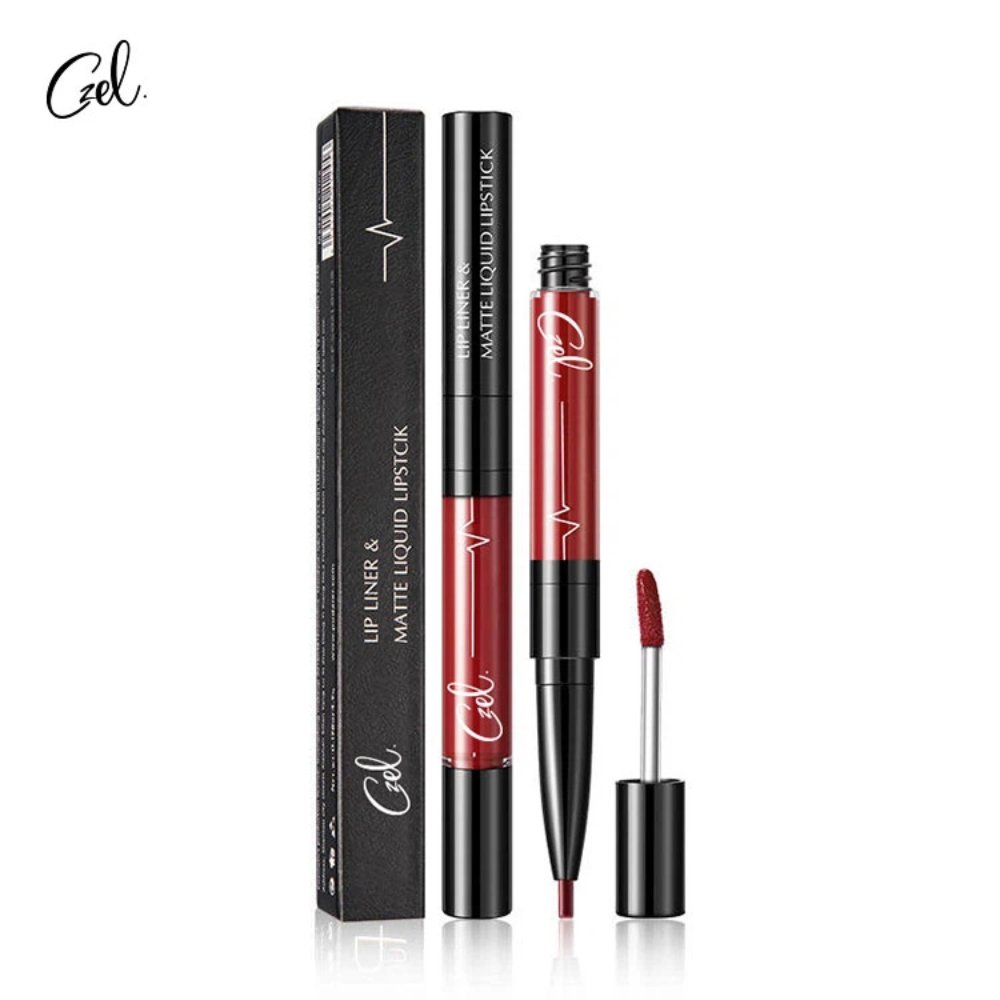
Lip Gloss Packaging: Bottle vs Dual-Ended Formats
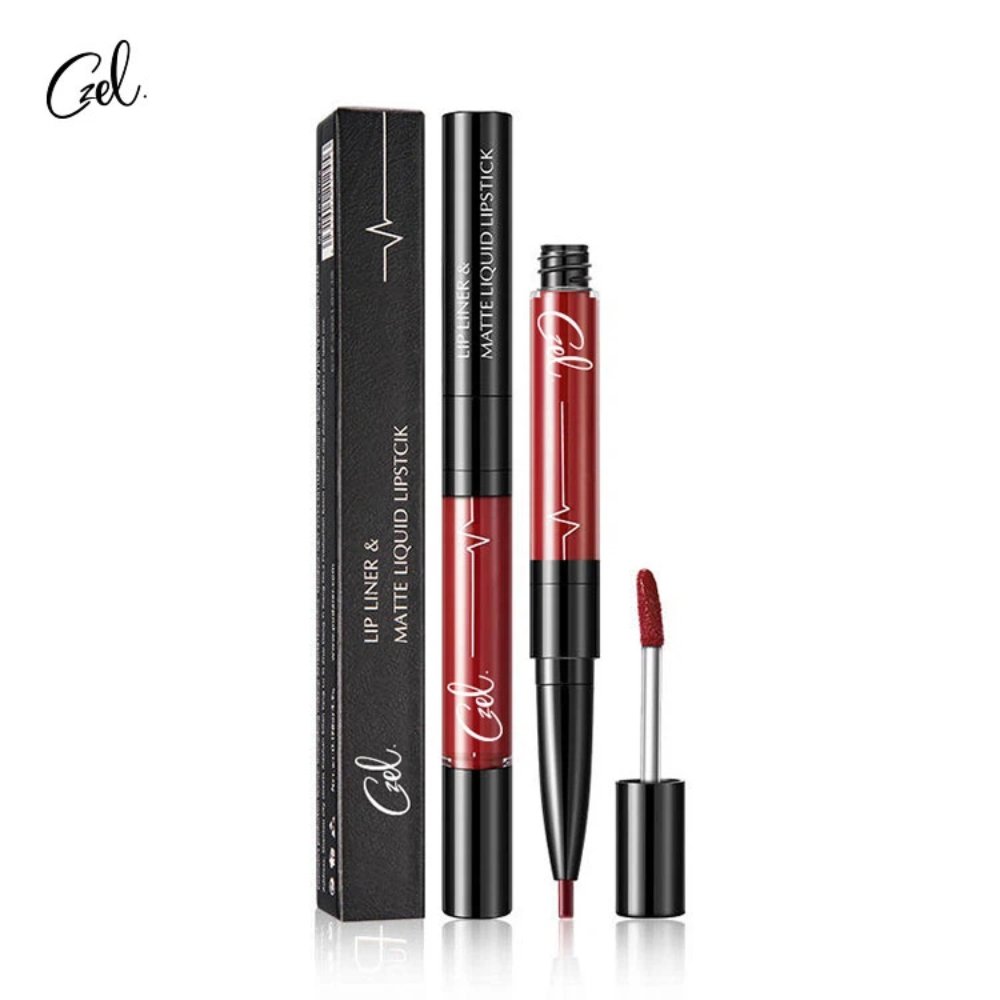
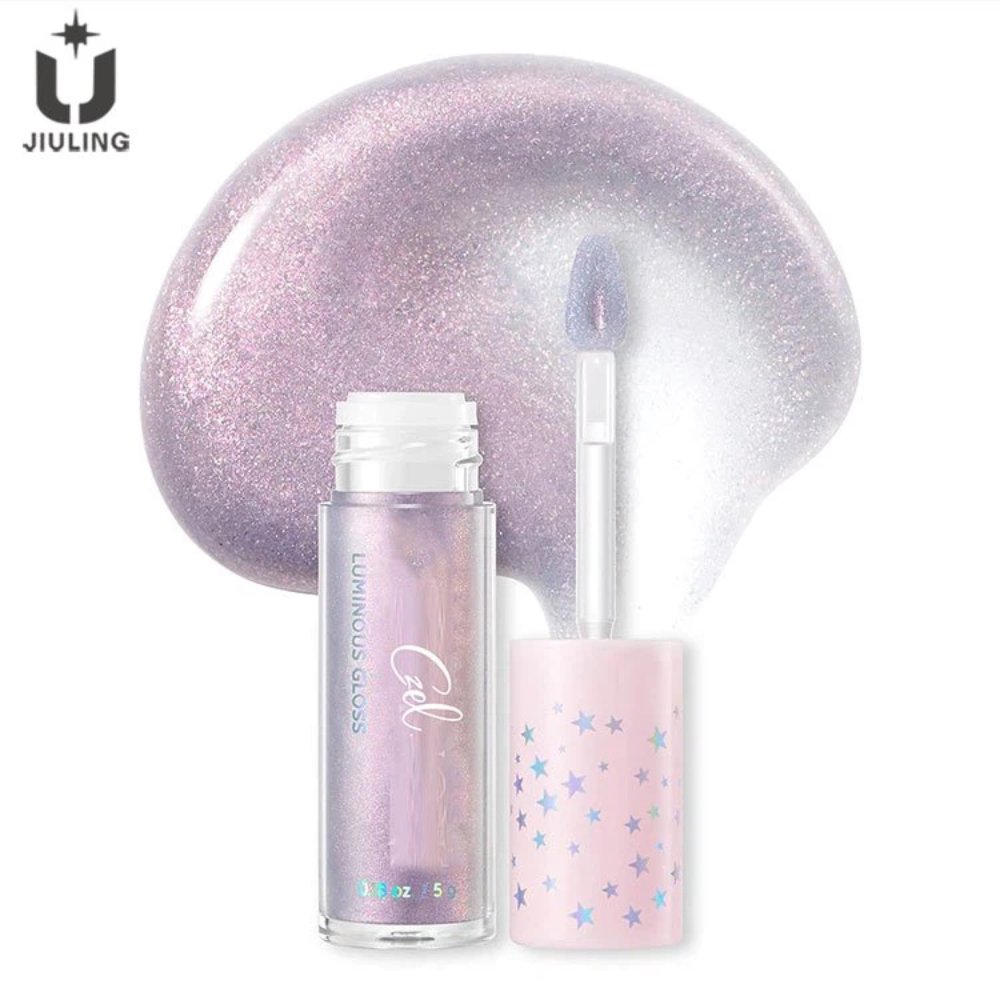
For wholesale lip gloss packaging, choose a bottle when your brief centres on one filled product and applicator; consider a dual-ended format when a paired lip colour and pencil are part of the offer. Compare component drawings, separately stated fill quantities, shade pairing and shipment samples before deciding. Packaging appearance alone does not establish formula performance.
This guide compares packaging decisions using Jiuling’s current catalogue. It is for buyers preparing a sample request, rather than consumers selecting a finish. Begin with the intended product identity, then decide which pack supports that brief.
1. Keep product identity separate from pack shape
The catalogue lists Double Head Lip Gloss and Pencil, alongside Lasting Lip Tint and Natural Lip Cheek Tint. The latter two provide bottle-format references, but their supplier names remain tints. They are not evidence that a chosen gloss formula is available in those packs.
The dual-ended description mentions lip glaze and lip liner, including a matte description. Do not infer a glossy finish from the product title. Ask for the exact formula identity and intended finish for each end, then assess a corresponding sample.
2. Compare the format against the buying brief
Use this comparison to organise questions. It describes approval scope, not verified specifications or a promise that either format will cost less.
| Decision | Single bottle reference | Dual-ended reference |
|---|---|---|
| Product brief | One filled product with its applicator | Paired liquid colour and pencil identities |
| Component review | Bottle, closure and applicator assembly | Both ends, closures and connecting structure |
| Quantity request | Net fill separately from bottle capacity | Liquid fill and pencil quantity separately |
| Colour approval | Filled shade against an agreed reference | Each shade plus the intended pairing |
| Shipment review | Filled unit inside proposed protective packing | Complete unit with both ends protected |
3. Request components and quantities separately
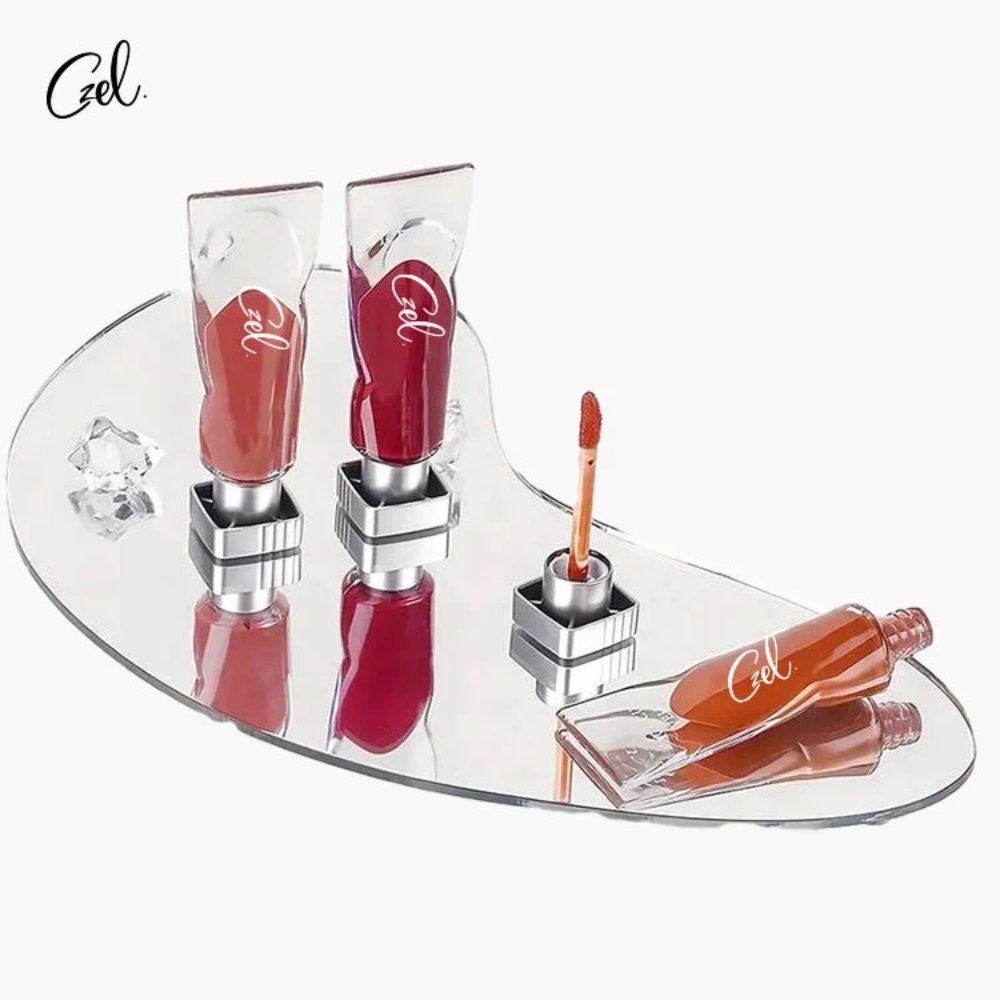
Request an annotated drawing or component list for the exact proposed pack. For a bottle, ask the supplier to identify the bottle, cap, wand, applicator tip and any wiper. For a dual-ended design, add the pencil mechanism, protective closure and connection between the two sections. Confirm which parts are removable during normal use.
Separate nominal container capacity from intended net fill. For the combined product, request the liquid quantity and pencil net weight independently, with units and tolerances. Avoid an ambiguous combined figure. The reviewed text does not establish these quantities for a buyer’s chosen version; obtain them in writing before comparing quotations.
4. Approve a shade pair rather than a screen image
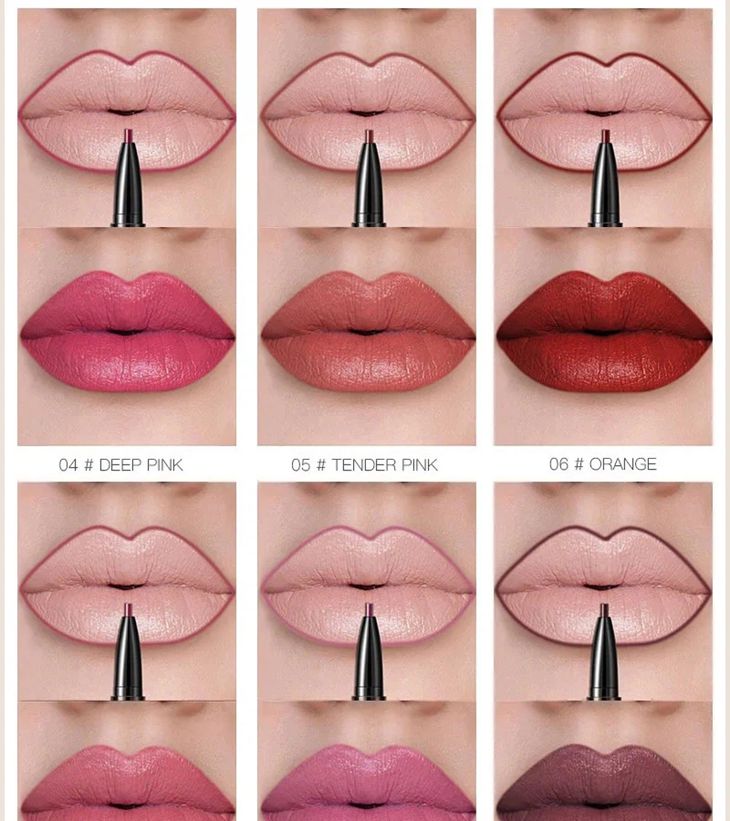
For a dual-ended offer, define whether the pencil should match, outline or deliberately contrast with the liquid colour. Give each end its own shade reference and connect the pair with one product code. A supplier photograph can help shortlist colours, but cannot replace physical sample approval.
Ask to review both products separately and together under agreed viewing conditions. Record the reference, sample code, review date and any requested adjustment. Keep bottle appearance, applied colour and finish as separate observations. For pencil-specific questions, use the wooden lip liner sample checklist for reference; it does not establish the construction of this combined product.
5. Agree closure and shipment sample checks
Request filled samples in the proposed final components. Agree how opening, reclosing, wand withdrawal and pencil protection will be assessed. For a dual-ended unit, check both closures independently and ask which part should be held when opening either end.
Define a shipment review with the supplier before testing: sample identification, packing configuration, transport conditions, inspection points and acceptance criteria. Ask for documented observations of leakage, loose closures, damaged tips and carton damage. A photograph of an intact pack establishes none of these outcomes. This article reports no completed closure, compatibility or transport testing.
6. Turn the decision into a clear enquiry
Send a concise brief that distinguishes requirements from questions:
- Reference product link and preferred bottle or dual-ended structure.
- Intended formula identity, finish and shade reference for each filled section.
- Requested quantities with units, component information and sample approval criteria.
- Destination market, proposed packing and documents needed for your review.
Browse the product catalogue and its Lip Cosmetics categories, then send a packaging and sample enquiry. Ask Jiuling to confirm available options and commercial terms for the specific request.
Frequently Asked Questions
Does a bottle labelled lip tint establish a gloss formula?
No. Treat the supplier’s product name and the packaging reference separately. Request the exact proposed formula identity and assess its sample.
Should both ends use the same shade code?
Use separate references for the liquid and pencil, then identify the approved pair. A shared name alone does not define their colour relationship.
Can one capacity describe the whole dual-ended product?
Request liquid fill and pencil quantity separately. Ask what each stated unit measures, and distinguish net contents from container capacity.
Is the catalogue enough to approve shipment performance?
No. Agree checks using identified filled samples and proposed shipping packs. Request documented results before accepting a performance claim.
#LipLiner
#CosmeticPackaging
#WholesaleCosmetics
#ShadeMatching
#SampleApproval