
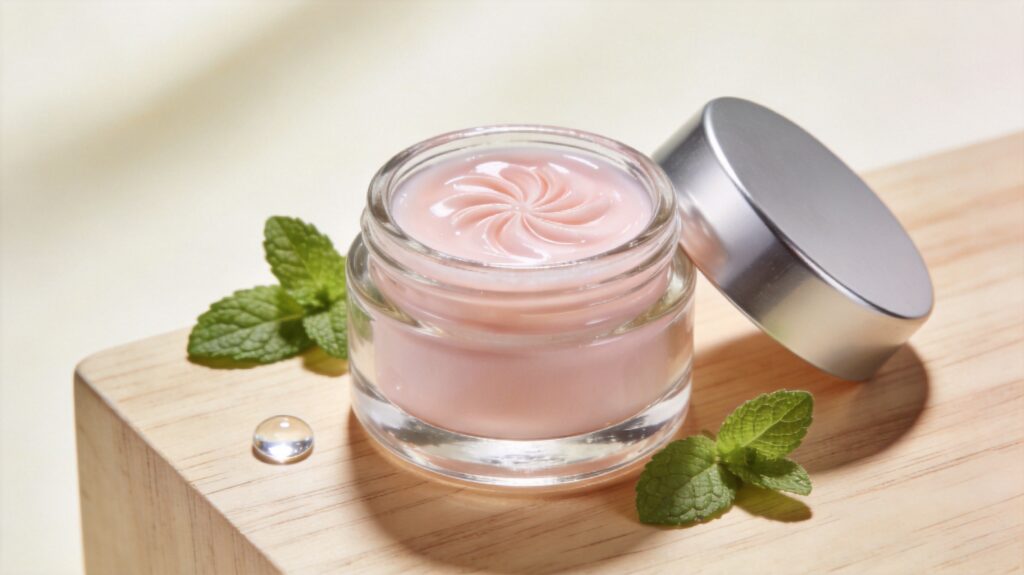
In the dynamic world of cosmetic products, the demand for effective and nourishing moisturizing lip balm solutions is on the rise. Moisturizing lip balm has become a pivotal product in this segment, offering consumers a dependable way to maintain soft, hydrated lips. As a B2B supplier or manufacturer, recognizing the importance of incorporating a moisturizing formula into your product line can greatly enhance your brand’s appeal and market share.
The significance of moisturizing lip balm in cosmetic product lines cannot be overstated. Nowadays, consumers are increasingly seeking products that deliver both aesthetic and functional benefits. A well-formulated moisturizing lip balm can serve as a cornerstone of your offerings. This article explores the specifications, use cases, comparisons with other lip products, sourcing strategies, and implementation practices, providing a comprehensive guide to integrating moisturizing lip balm into your product line.
Moisturizing Lip Balm: Your Essential Cosmetic Solution for Hydration
Specifications of Moisturizing Lip Balm
To create a successful moisturizing lip balm, it’s essential to focus on the key ingredients that contribute to its effectiveness. Common components of moisturizing formulas include natural oils, such as jojoba and coconut oil, butters like shea and cocoa butter, and humectants such as glycerin. In my experience, these ingredients work synergistically to provide hydration, nourishment, and protection against environmental stressors.
Texture and consistency are also critical considerations when formulating lip balms. A smooth, creamy texture that glides on easily enhances user experience, while a lightweight formulation ensures that the product remains comfortable to wear throughout the day. Additionally, the choice of packaging can significantly influence consumer perception; options such as tubes, jars, or stick formats should be evaluated based on convenience and aesthetics.
Use Cases for Moisturizing Lip Balm
Identifying target demographics and market segments is vital for the successful marketing of moisturizing lip balm. This product appeals to a broad audience, including individuals of all ages and lifestyles. Seasonal demand can also play a significant role, with sales typically increasing during colder months when lips are more susceptible to dryness and chapping.
Moreover, incorporating moisturizing lip balm into a broader cosmetic line can be advantageous. It pairs well with other products, such as lip scrubs or lip tints, creating a cohesive brand experience that encourages cross-selling opportunities.
Comparisons with Other Lip Products
When comparing moisturizing lip balm to traditional lip balms, the benefits become evident. While traditional balms may offer temporary relief, a moisturizing formula provides long-lasting hydration and nourishment. Additionally, when stacked against lip gloss and lipstick, moisturizing lip balms stand out for their ability to deliver essential moisture while offering a non-sticky, comfortable wear.
Performance metrics, such as hydration levels and longevity, are critical for consumers. A well-formulated moisturizing lip balm should demonstrate superior hydration capabilities, ensuring that lips remain soft and supple throughout the day.
Sourcing Quality Ingredients
Finding reliable suppliers for the key ingredients in your moisturizing lip balm is crucial. Establishing partnerships with reputable ingredient manufacturers can ensure the quality and safety of your products. When evaluating ingredient quality, consider factors such as sourcing practices, certifications, and testing for allergens or harmful substances. In my opinion, prioritizing quality can significantly enhance the overall effectiveness of your product.
Cost considerations also play a role for B2B buyers. It’s essential to balance quality with affordability, ensuring that your product remains competitively priced without compromising on performance.
Implementation Strategies
Integrating lip balm into existing lines requires a strategic approach. Conducting market research to understand consumer preferences can guide product development effectively. Additionally, employing effective marketing strategies that highlight the unique benefits of your moisturizing lip balm can help leverage social media and influencer partnerships to reach a wider audience.
Training sales teams on product benefits is equally important. Equipping them with knowledge about the moisturizing formula, key ingredients, and performance metrics can enhance their ability to communicate value to retailers and consumers alike.
FAQs about Moisturizing Lip Balm
Retailers often have common questions regarding moisturizing lip balm, such as its shelf life, ingredients, and suitability for various skin types. Addressing consumer concerns about allergies or sensitivities is also vital, as transparency can build trust and encourage purchases.
Regulatory considerations in different markets must be taken into account as well. Ensuring compliance with local regulations regarding ingredient safety and labeling can prevent potential legal issues and foster a positive brand reputation.
Conclusion
In summary, the benefits of incorporating moisturizing lip balm into your cosmetic product line are manifold. From enhancing consumer satisfaction to driving sales, a well-formulated moisturizing lip balm can significantly bolster your brand’s presence in the market. As a B2B supplier, now is the time to explore the potential of moisturizing lip balms and consider adding them to your offerings. By focusing on quality ingredients, effective marketing, and consumer education, you can position your brand for success in the competitive cosmetic landscape.